Tech · Social Ticketing

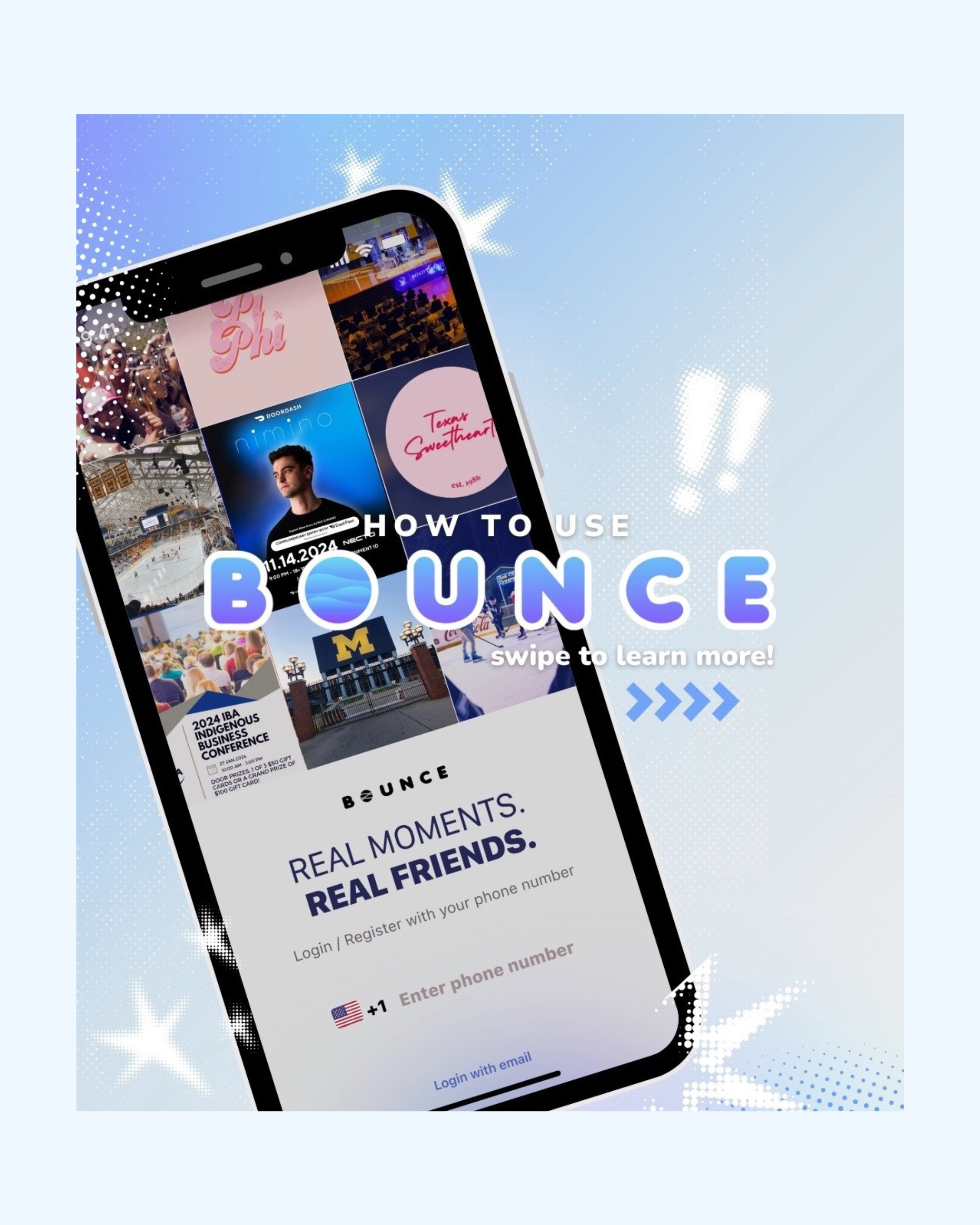
Bounce

Role: U.S. Community Marketing Manager Platforms: 2
Social Strategy Content Calendar Management Creative Briefs Trend Monitoring Partnerships
Instagram
TikTok
Instagram
Impressions
+11.3M
Audience Growth
+13.8%
Engagement Rate
+9.5%
TikTok
Impressions
+1.8M
Audience Growth
+45.5%
Engagement Rate
+7.8%
The Challenge

Making Bounce
part of campus culture.

Bounce had already proven itself in Canada. The U.S. was a different story. We were entering an already crowded space where students had their apps, their routines, and no real reason to switch. Our job was to change that.

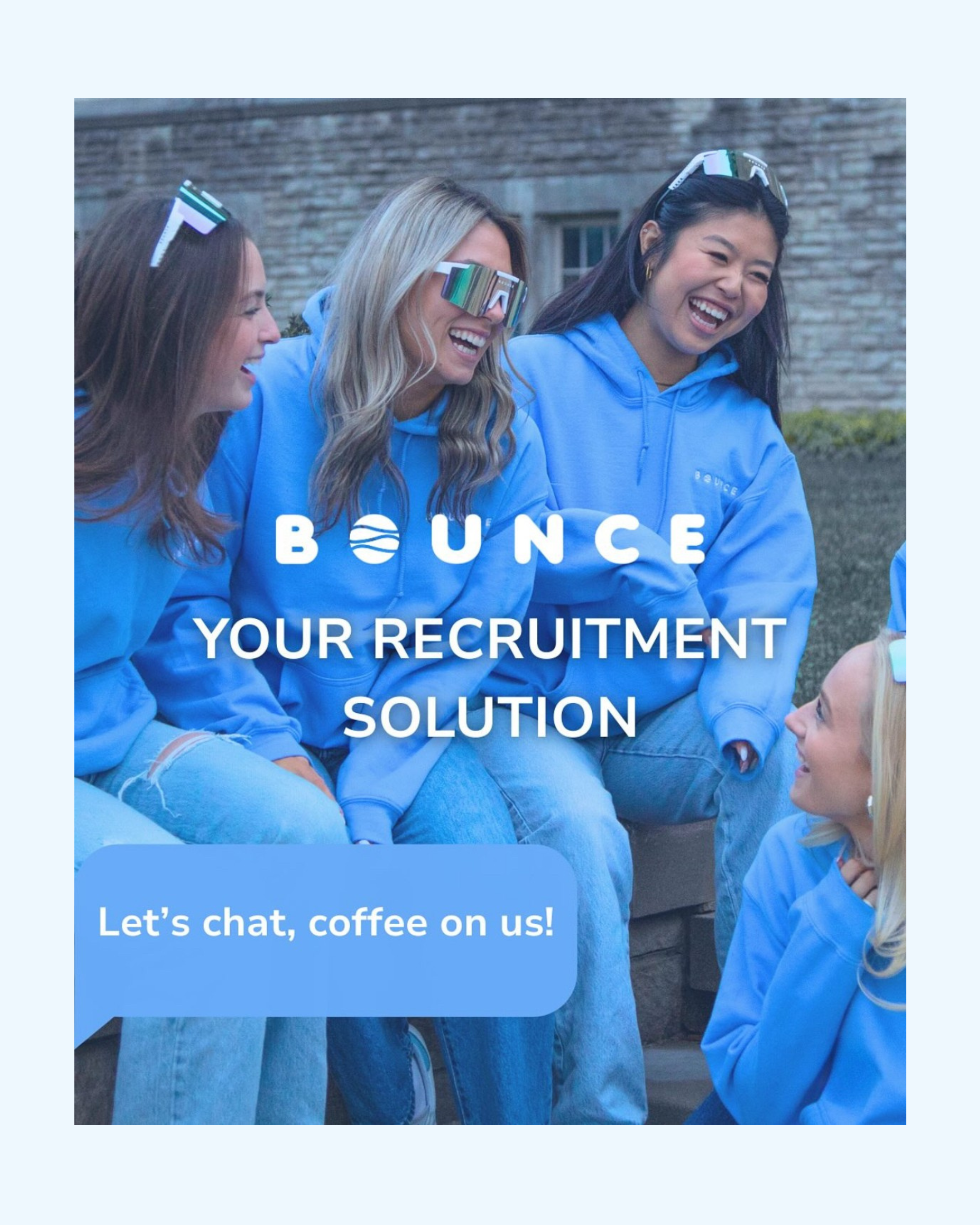
The challenge wasn't just awareness. Awareness alone doesn't move the needle. We needed to create two kinds of FOMO at once: the kind that makes you download the app, and the kind that makes you actually open it. Every event on Bounce had to feel like the one everyone was already at. Every piece of content had to feel like it came from a friend, not a brand.

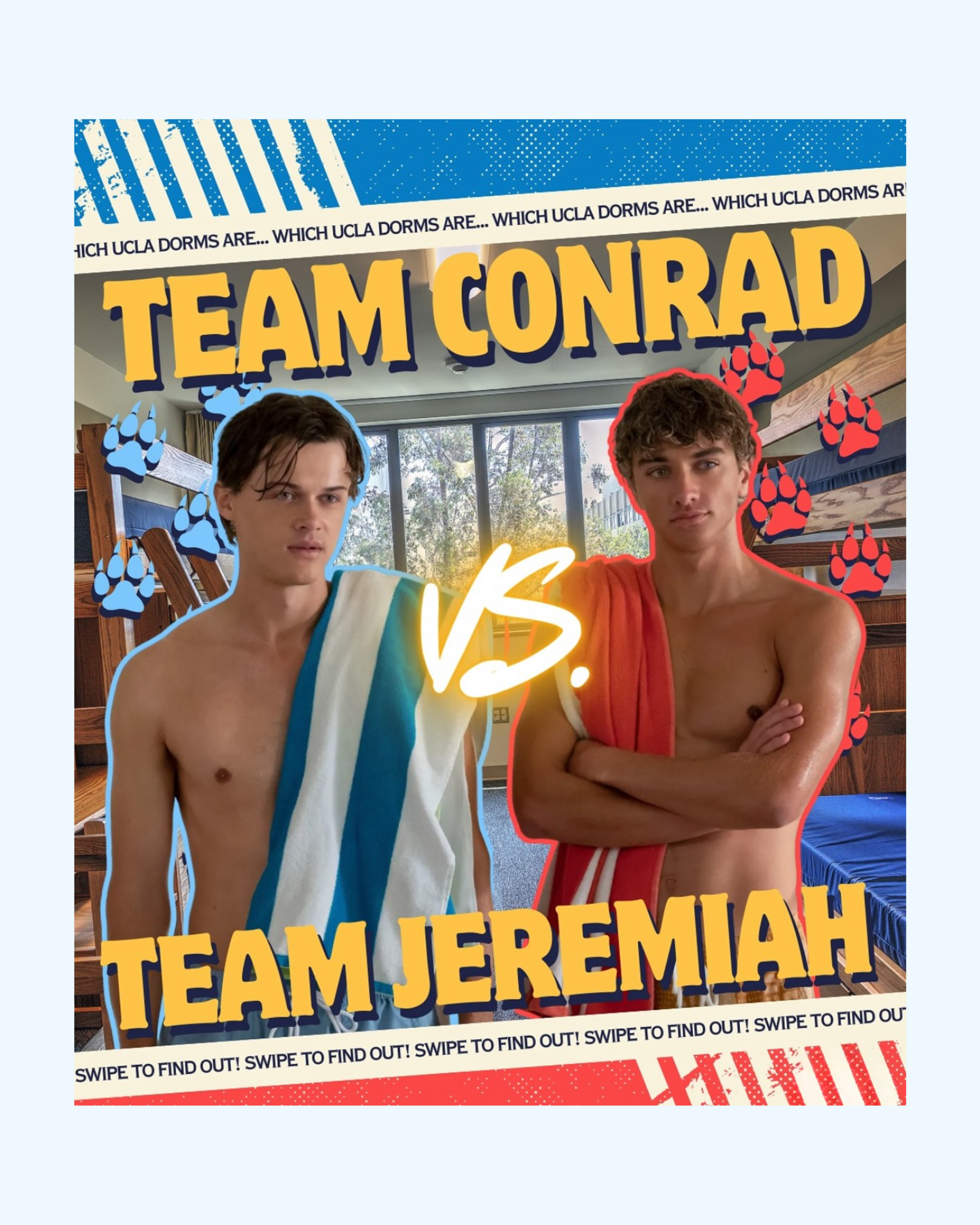
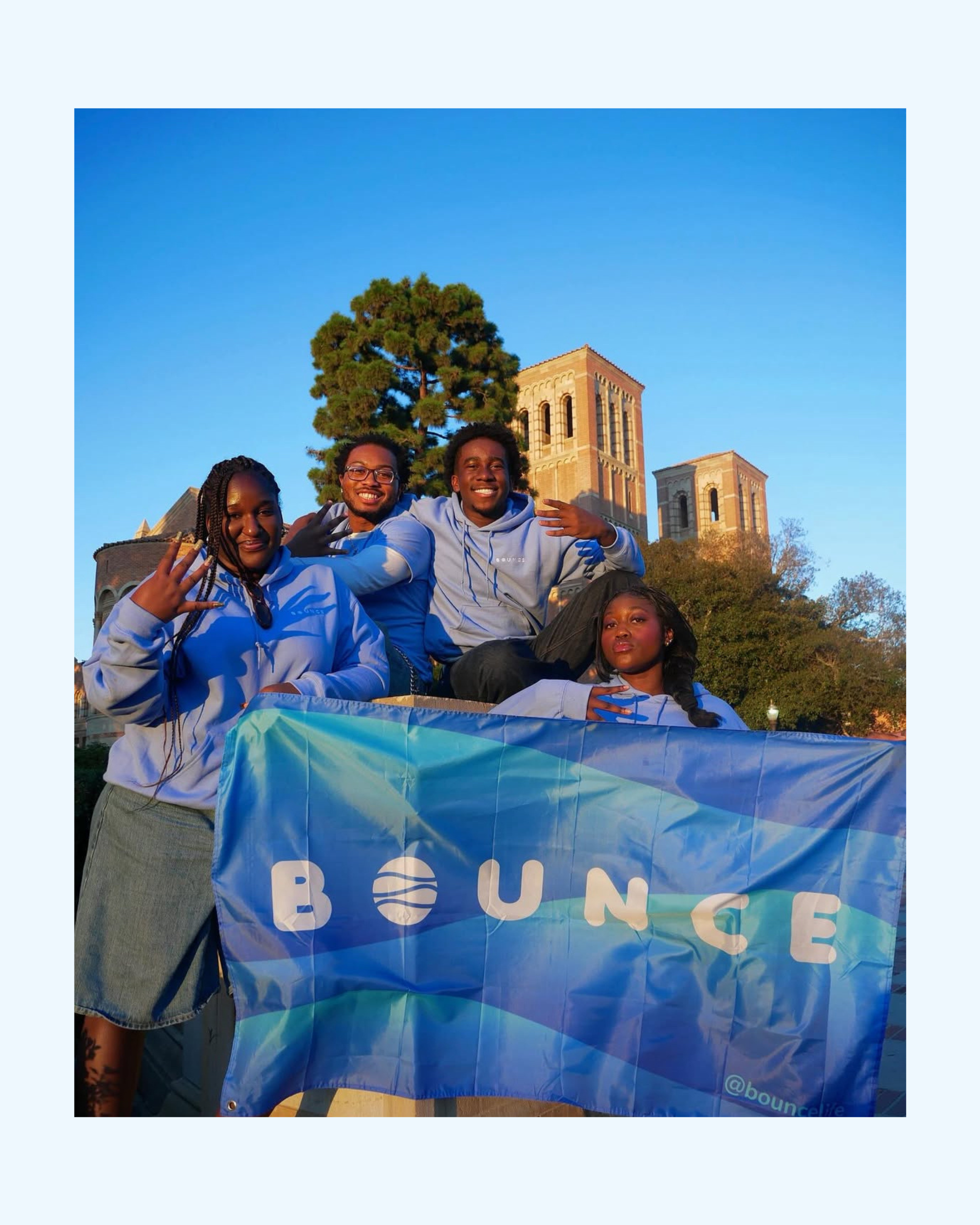
Every campus is different. Every student body has its own energy, humor, and inside jokes. We had to get into their headspace, earn a place in their scroll, and make Bounce feel like it was already part of the culture before they even knew what it was. Not a sales pitch. One of them.

The Strategy

Content that felt like
theirs, not ours.

01
The only rule that mattered
Before anything went out, the question was simple: would I send this to a friend? If the answer wasn't yes, it wasn't ready.
02
Trend jacking with intention
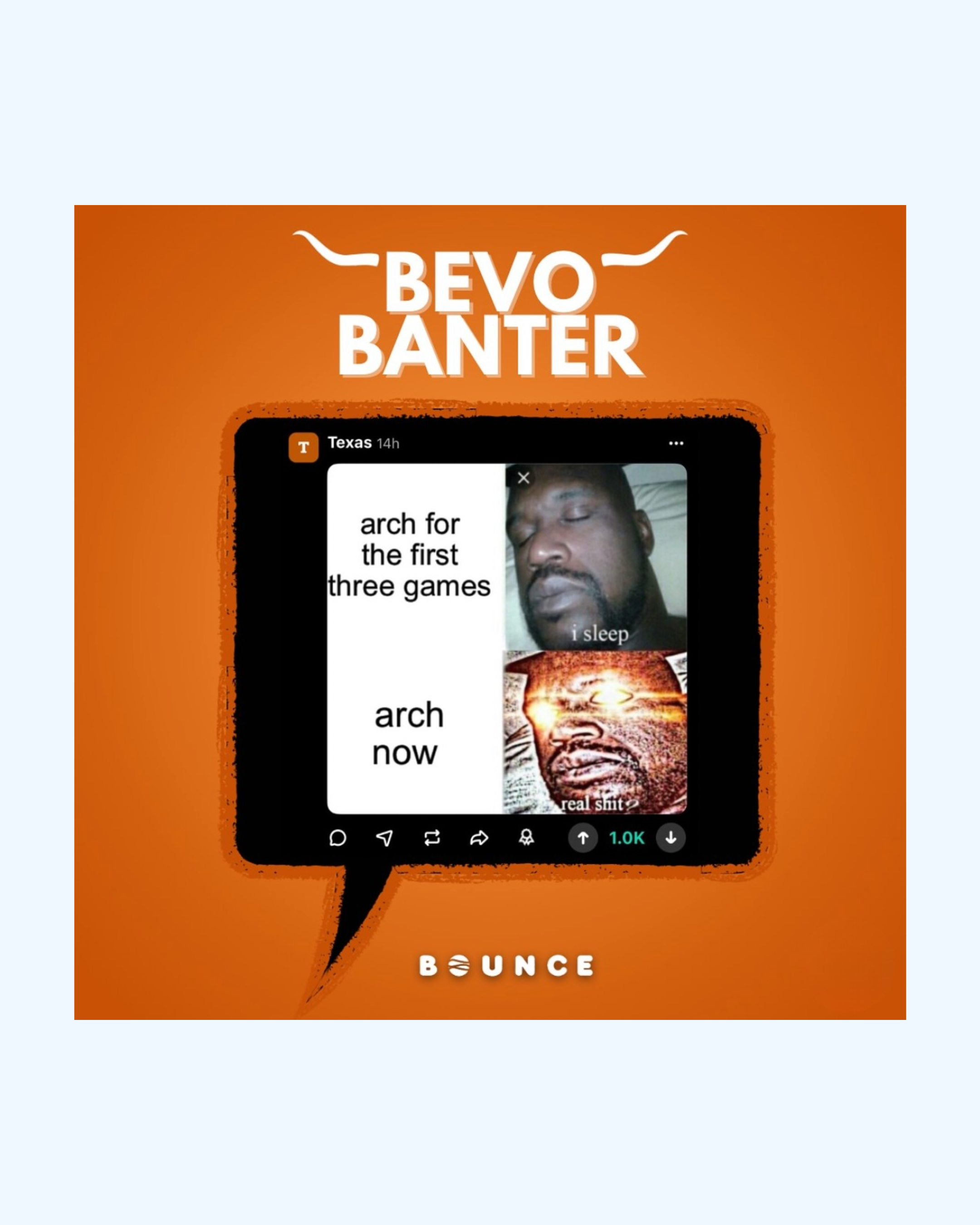
We made Bounce feel native to the scroll by tapping into trends before they peaked, not chasing them after the fact. The goal was content that felt like it belonged on our audience's feed, not content that was trying to belong.
03
Content that made students feel seen
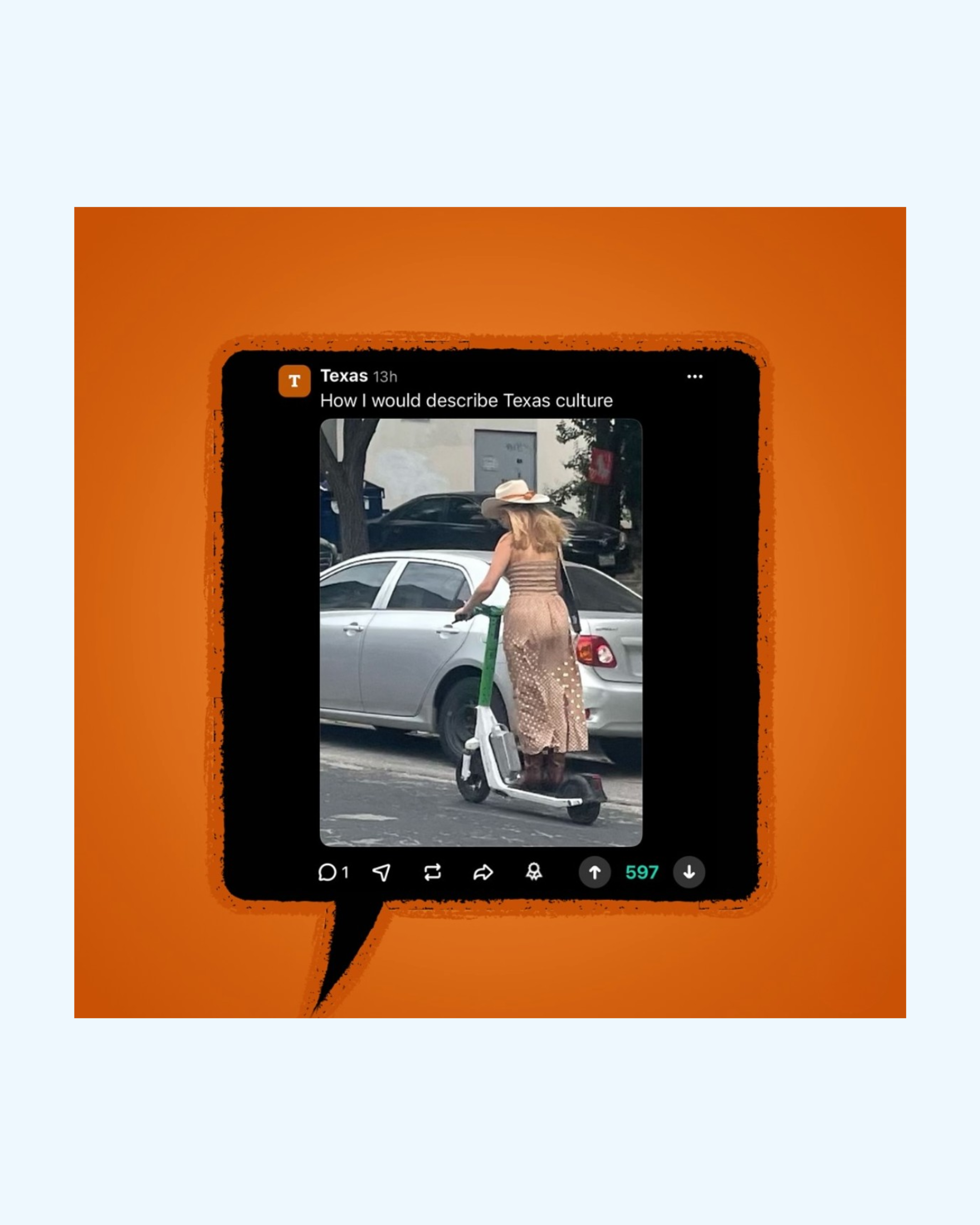
Every piece of content was designed to spark a 'this is so me' reaction. That response is what drives shares and saves, the two metrics that show you, your content broke through the scroll and landed as something personal. That's infinitely harder to manufacture than a like or a follow, and it's what builds a community instead of just an audience.
04
Social-first, not sales-first
We avoided anything sales-heavy and leaned into real campus moments, student organizations, and shared experiences that made Bounce feel like part of the culture, not a brand interrupting it.
05
Getting into the headspace of each student body
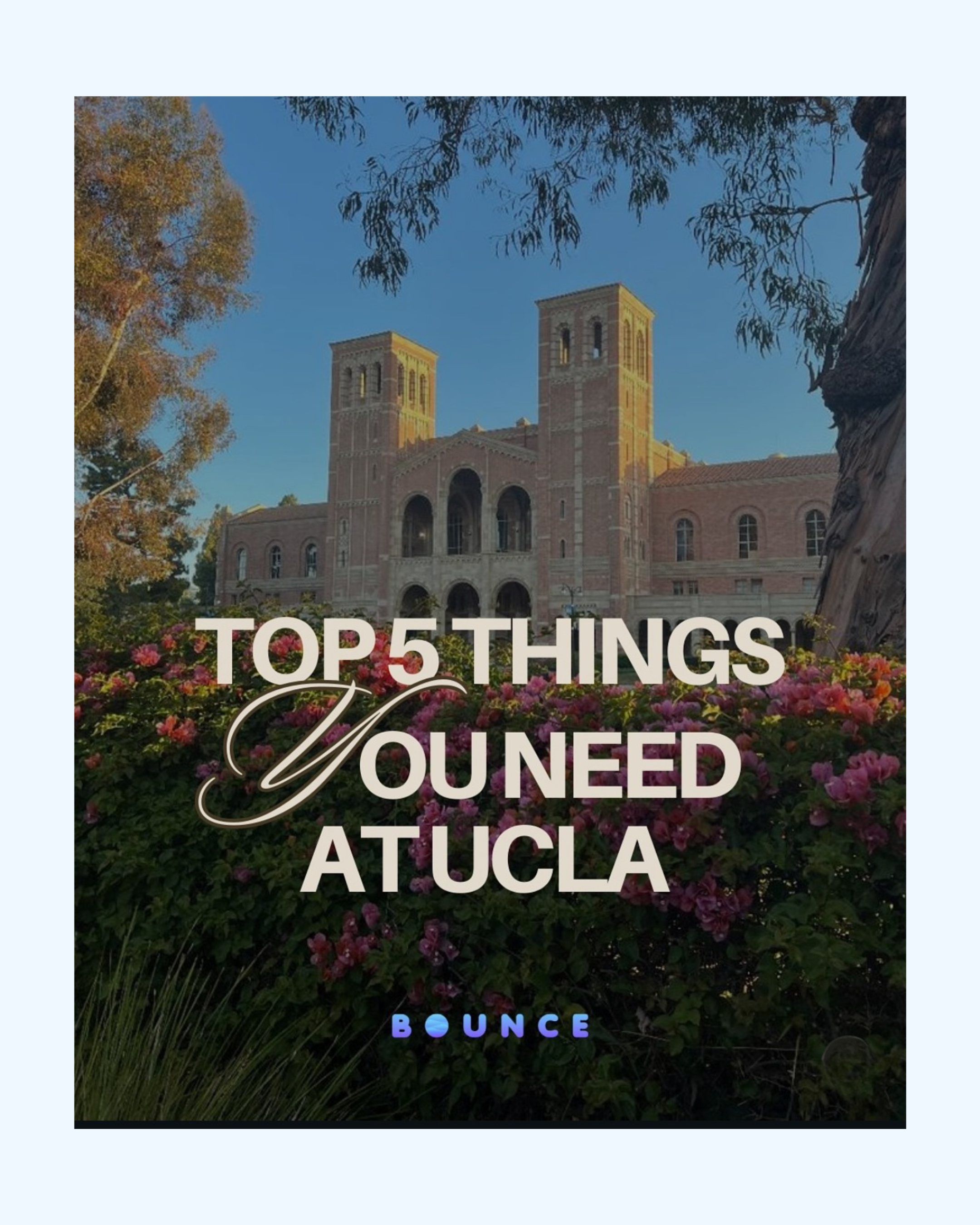
We focused on understanding the unique audience at each university, knowing that every campus is made up of different people, cultures, and needs. What they were searching up, what was making them laugh, big moments on campus. You name it, our team knew it.
06
Community and FOMO as growth engines
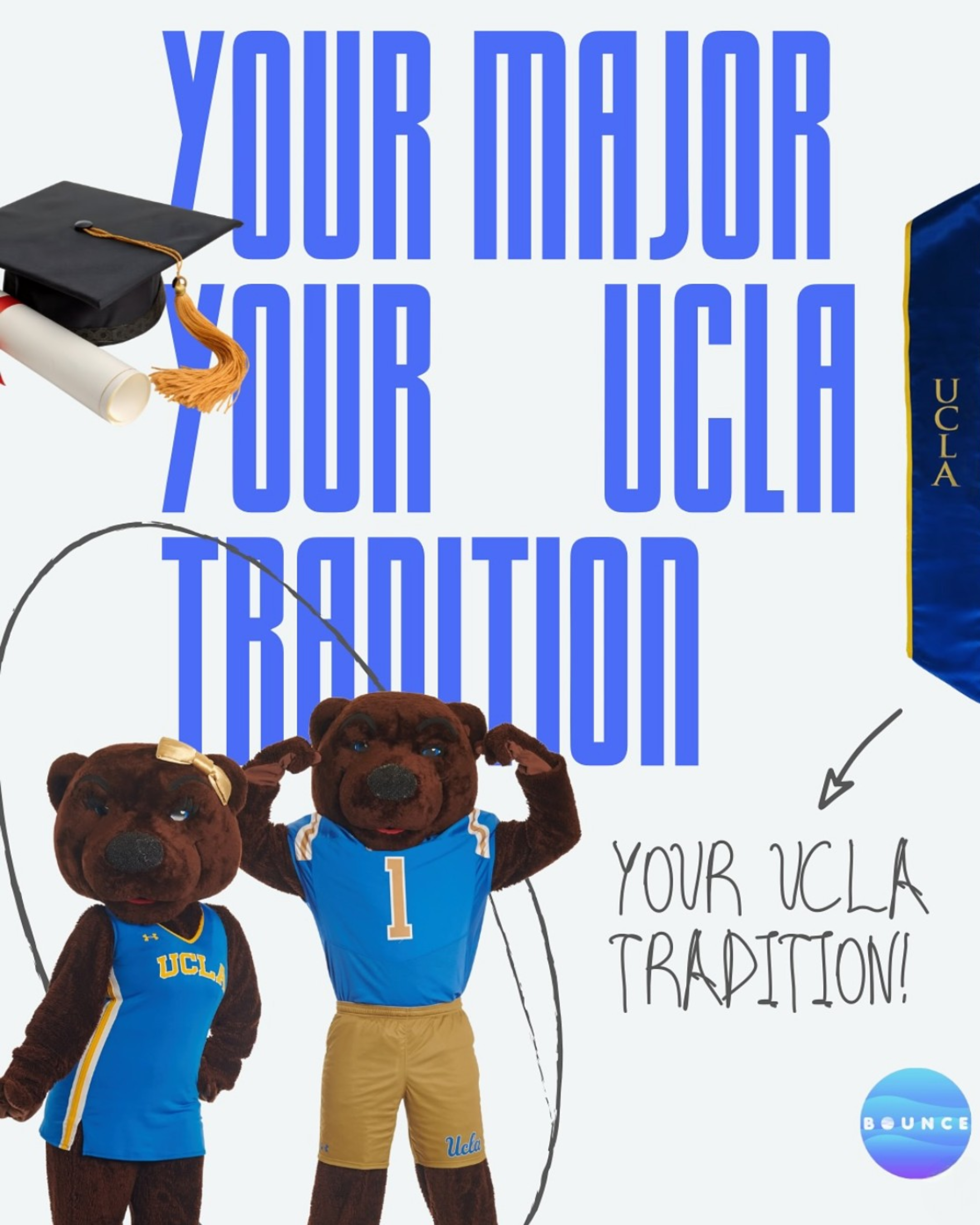
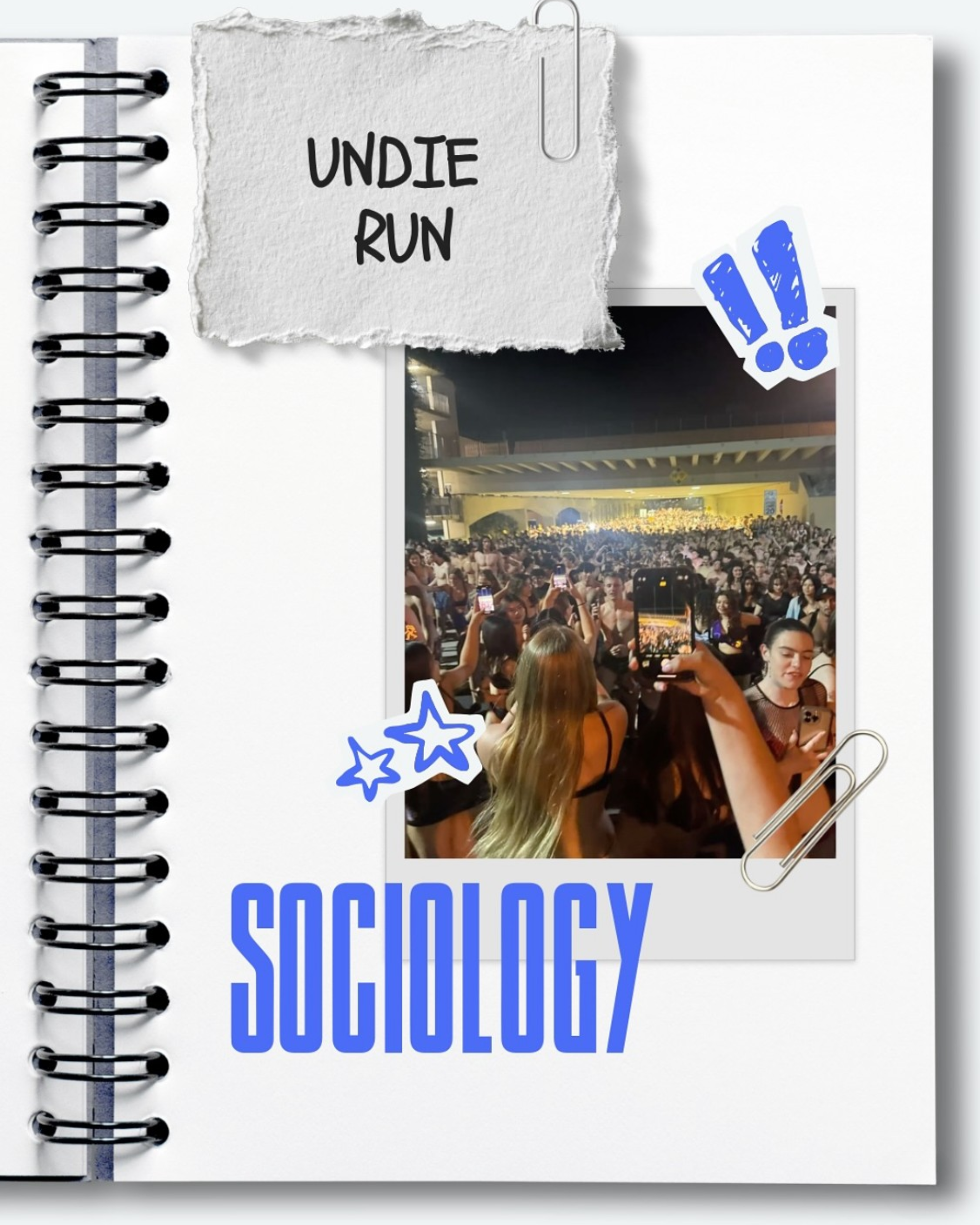
On-campus activations were treated as content opportunities. Event recaps drove FOMO and increased future attendance. Regional collaborations reinforced authenticity. Ambassador-led storytelling made Bounce feel like an ongoing part of campus life rather than a one-time touchpoint.
07
Two-way community engagement
We showed up in our audience's comment section, not just our own. Building community means being part of the conversation, not just starting it. Engagement was a core growth lever, not an afterthought.